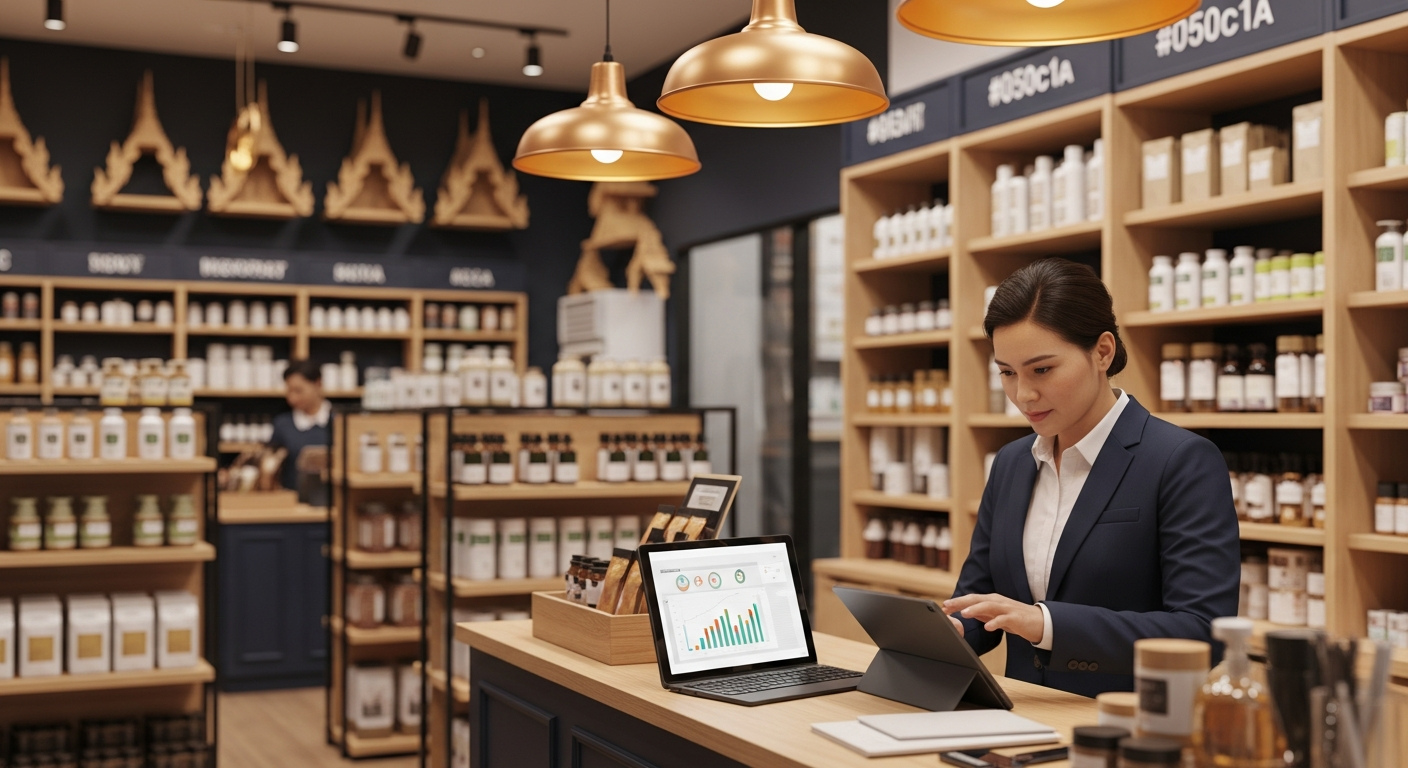
คีย์เวิร์ด: ระบบจัดการร้านค้า Meta: คู่มือครบถ้วนระบบจัดการร้านค้าสำหรับเจ้าของร้าน SME ไทยปี 2026 เปรียบเทียบโปรแกรมจัดการร้านค้า POS สต็อก loyalty — เริ่มต้น ฿499/เดือน ไม่ต้องเขียนโค้ด
สรุปสั้นๆ: ระบบจัดการร้านค้าคือซอฟต์แวร์ที่รวม POS การติดตามสต็อก loyalty ลูกค้า และวิเคราะห์ยอดขายไว้ในที่เดียว สำหรับร้านค้าปลีก SME ไทย ระบบที่ดีที่สุดต้องรองรับ PromptPay ใช้งานบนมือถือได้ และราคาไม่เกิน ฿1,000/เดือน — ต่างจากระบบ enterprise ที่เสีย฿10,000–฿50,000/เดือน
ระบบจัดการร้านค้า: คู่มือ SME ไทย (2026)
ถ้าคุณกำลังดูแลร้านเสื้อผ้าในจตุจักร ร้านฮาร์ดแวร์ในเชียงใหม่ หรือร้านสะดวกซื้อในขอนแก่น คุณคงรู้ดีถึงปัญหาที่เจอทุกวัน: สินค้าหมดเร็วกว่าจะได้สั่งเพิ่ม ยอดเงินสดไม่ตรงกับที่นึกไว้ และไม่รู้เลยว่าลูกค้าคนไหนเคยซื้อจากร้านเมื่อ 6 เดือนที่แล้ว
คำตอบคือ ระบบจัดการร้านค้า — และในปี 2026 คุณไม่จำเป็นต้องจ่ายเงิน ฿50,000 สำหรับระบบ enterprise อีกต่อไปแล้ว คู่มือนี้อธิบายว่าระบบจัดการร้านค้าทำอะไรได้บ้าง ควรดูอะไร และเจ้าของร้านค้า SME ไทยกำลังเปลี่ยนจากสเปรดชีตมาใช้ระบบทันสมัยในราคาเริ่มต้น ฿499/เดือนอย่างไร
ระบบจัดการร้านค้าคืออะไร?
ระบบจัดการร้านค้า (Retail Management System หรือ RMS) คือแพลตฟอร์มซอฟต์แวร์แบบครบวงจรที่จัดการงานหลักของร้านค้า:
- จุดขาย (POS) — รับชำระเงิน บันทึกการขาย
- การจัดการสินค้าคงคลัง — ติดตามสต็อก รับสินค้าเข้า แจ้งเตือนสินค้าใกล้หมด
- การจัดการลูกค้า (CRM) — เก็บข้อมูลลูกค้า ประวัติการซื้อ ข้อมูลติดต่อ
- โปรแกรม Loyalty — ให้รางวัลลูกค้าประจำด้วยคะแนน สะสมแสตมป์ หรือระดับสมาชิก
- วิเคราะห์ยอดขาย — รู้ว่าสินค้าไหนขายดี เมื่อไร และให้ใคร
- การจัดการพนักงาน — ติดตามกะงาน ค่าคอมมิชชั่น และสิทธิ์การใช้งาน
คำว่า โปรแกรมจัดการร้านค้า ครอบคลุมตั้งแต่แอป POS ง่ายๆ ไปจนถึงแพลตฟอร์ม enterprise ที่ใช้โดยเชน Central หรือ Big C สำหรับเจ้าของร้านค้าปลีก SME เป้าหมายคือหาระบบที่ตอบโจทย์ความต้องการหลักโดยไม่ต้องจ่ายแพงหรือมีแผนกไอทีดูแล
5 ปัญหาใหญ่ที่ร้านค้าไทยเจอเมื่อไม่มีระบบ
เจ้าของร้านค้าปลีกไทยมักเจอปัญหาเดิมซ้ำๆ เมื่อยังทำงานแบบ manual หรือใช้สเปรดชีตที่แยกจากกัน
ปัญหาที่ 1: สินค้าหมดสต็อกและสต็อกล้น
ถ้าไม่มีระบบติดตามสต็อกอัตโนมัติ การจัดการสินค้าก็เป็นเรื่องของการเดาสุ่ม คุณขายสินค้าขายดีหมดช่วงวันเสาร์ตอนบ่ายเพราะไม่มีใครสังเกตว่าสต็อกลดลงตลอดสัปดาห์ ในขณะเดียวกันก็มีสินค้าที่ขายช้าตกค้างอยู่สามเดือนเพราะสั่งมามากเกินไป
ต้นทุนจากการขาดสต็อกไม่ใช่แค่ยอดขายที่เสียไป แต่คือลูกค้าที่เดินออกจากร้านและไม่กลับมาอีก ข้อมูลพฤติกรรมลูกค้าร้านค้าปลีกไทยชี้ว่า 68% ของลูกค้าที่เจอปัญหาสินค้าหมดจะไปซื้อที่คู่แข่ง และน้อยกว่าครึ่งที่จะกลับมาร้านเดิม
ปัญหาที่ 2: กระทบยอดเงินสดด้วยมือ
การนับเงินปิดร้านในร้านค้าปลีกไทยที่ยุ่งๆ อาจใช้เวลา 30–60 นาที ทุกครั้งที่มีส่วนต่าง — ธนบัตร ฿500 ที่ใส่ผิดช่อง หรือโอน PromptPay ที่ลืมบันทึก — ต้องเริ่มนับใหม่ ถ้าไม่มี POS ที่บันทึกทุกธุรกรรมอัตโนมัติ การกระทบยอดคือความยุ่งยากประจำวันและความเสี่ยงต่อการตรวจสอบบัญชี
ปัญหาที่ 3: ไม่มีข้อมูลลูกค้า
ถ้าลูกค้ามาซื้อที่ร้านมาสองปีแล้ว แต่สิ่งเดียวที่คุณมีคือรายการซื้อในสมุดบันทึก คุณจะไม่สามารถ:
- ขอบคุณพวกเขาสำหรับความภักดี
- แจ้งเตือนเมื่อสินค้าที่พวกเขาซื้อกลับมามีสต็อก
- ส่งโปรโมชั่นวันเกิด
- เข้าใจว่าลูกค้า high-value ของคุณหน้าตาเป็นอย่างไร
โปรแกรมจัดการร้านค้า แก้ปัญหานี้ด้วยการสร้างฐานข้อมูลลูกค้าอัตโนมัติ — ทุกธุรกรรม ทุกการเยี่ยมชม ทุกข้อมูลติดต่อ
ปัญหาที่ 4: ไม่มีโปรแกรม Loyalty (หรือมีแต่ใช้ไม่ได้ผล)
บัตรสะสมแสตมป์คือกลไก loyalty ที่นิยมที่สุดในร้านค้าปลีกไทย แต่ก็พังง่ายที่สุด บัตรหาย ลูกค้าลืม แสตมป์เปียกและเลอะ คุณไม่รู้ว่ามีแสตมป์ที่ยังไม่ได้ใช้เท่าไร หรือลูกค้าคนไหนใกล้จะได้รับของรางวัล
Loyalty ดิจิทัลที่อยู่ในระบบจัดการร้านค้าเปลี่ยนทุกอย่าง: คะแนนสะสมอัตโนมัติเมื่อชำระเงิน ลูกค้ามียอดคงเหลือในมือถือตลอด และคุณเห็นได้ชัดว่าใครคือลูกค้าที่ภักดีที่สุด
ปัญหาที่ 5: บันทึกข้อมูลด้วยกระดาษที่ไม่รองรับการเติบโต
สมุดบันทึก Excel WhatsApp รูปถ่ายใบแจ้งหนี้เขียนมือ — วิธีเหล่านี้ใช้ได้เมื่อมีสินค้า 50 รายการและลูกค้า 20 คนต่อวัน แต่จะพังทันทีเมื่อมีสินค้า 500 รายการ พนักงานหลายคน และธุรกรรม 200 รายการต่อวัน ร้านค้าที่ไม่มีระบบจัดการจะชนเพดานที่กระดาษไม่อาจทลายได้
สิ่งที่โปรแกรมจัดการร้านค้าควรมี
ระบบจัดการร้านค้า ที่ครบวงจรสำหรับร้านค้าปลีก SME ไทยต้องมี:
1. จุดขาย (POS)
POS ต้องรองรับ:
- PromptPay QR อัตโนมัติ — ตรวจสอบการชำระเงินเอง ไม่ต้องดูสลิป
- เงินสด บัตร และ mobile wallet ในอินเทอร์เฟซเดียว
- ใบเสร็จอิเล็กทรอนิกส์ — ผ่าน LINE, SMS หรืออีเมล
- สินค้าแบบ variant — ขนาด สี รุ่น
- ส่วนลดและโปรโมชั่น ณ จุดขาย
- ใช้งานบนแท็บเล็ตหรือสมาร์ทโฟน — ไม่ต้องใช้ฮาร์ดแวร์พิเศษ
2. การจัดการสินค้าคงคลัง
- ยอดสต็อก real-time — อัพเดตอัตโนมัติทุกครั้งที่ขาย
- แจ้งเตือนสินค้าใกล้หมด — แจ้งเมื่อสินค้าต่ำกว่าจุดสั่งซื้อ
- บันทึกการรับสินค้าจากซัพพลายเออร์
- ติดตามแบบ multi-variant — เสื้อสีแดง XL แยกจากเสื้อสีน้ำเงิน M
- ระบุสินค้าค้างสต็อก — สินค้าที่ไม่ขายเกิน 60 วัน
3. โปรแกรม Loyalty ลูกค้า
- คะแนนหรือแสตมป์สะสมอัตโนมัติทุกการซื้อ
- ระดับสมาชิก (Bronze, Silver, Gold, VIP) พร้อมอัพเกรดอัตโนมัติ
- แลกรางวัลที่ POS ด้วยแตะเดียว
- โปรโมชั่นวันเกิดส่งอัตโนมัติ
- ดูประวัติการซื้อของลูกค้าที่หน้าจอชำระเงิน
4. วิเคราะห์และรายงาน
- รายได้รายวัน/รายสัปดาห์/รายเดือน พร้อม trend
- สินค้าขายดีสุด — ตามจำนวนและรายได้
- สินค้าขายช้า — สินค้าที่ควรลดราคาหรือคืน
- ความถี่ในการซื้อของลูกค้า — ใครภักดี ใครหาย
- ช่วงเวลาพีค — เมื่อไรควรเพิ่มพนักงาน
5. LINE และ Mobile-First
สำหรับร้านค้าปลีกไทย ระบบต้องเป็น mobile-first และเชื่อมกับ LINE OA สำหรับ:
- แจ้งเตือน loyalty ("คุณมี 50 คะแนน — แลกรับครั้งต่อไป!")
- แจ้งสินค้ากลับมาสต็อก
- ส่งโปรโมชั่นไปยังกลุ่มลูกค้าเฉพาะ
เปรียบเทียบระบบจัดการร้านค้า
| ฟีเจอร์ | ระบบ Enterprise | ระบบสำหรับ SME (เช่น Suriya) |
|---|---|---|
| ราคาต่อเดือน | ฿10,000–฿50,000+ | ฿499–฿999 |
| เวลาติดตั้ง | 2–6 เดือน | 1–2 วัน |
| ต้องการแผนก IT | ใช่ | ไม่ |
| ต้องการฮาร์ดแวร์พิเศษ | POS เฉพาะ เครื่องพิมพ์ | มือถือหรือแท็บเล็ต |
| PromptPay | บางครั้ง (เสริม) | Built-in |
| LINE OA | หายาก | Built-in |
| รองรับภาษาไทย | ไม่แน่นอน | Native |
| สัญญา | รายปี | รายเดือน |
| เหมาะกับ | เชน 50+ สาขา | ร้าน 1–10 สาขา |
คู่มือเลือกซื้อระบบจัดการร้านค้า สำหรับ SME ไทย
ก่อนตัดสินใจ ลองประเมินร้านของคุณตามหัวข้อเหล่านี้ คำตอบจะบอกได้ทันทีว่าควรเลือกระบบแบบไหน:
1. ขนาดร้านและจำนวนสินค้า
- สินค้าต่ำกว่า 100 รายการ พนักงาน 1–2 คน: ต้องการแค่ POS + สต็อกพื้นฐาน + loyalty ระบบ SME แบบเริ่มต้นเพียงพอ
- สินค้า 100–1,000 รายการ พนักงาน 1–5 คน: ต้องการสต็อกแบบ multi-variant แจ้งเตือนสินค้าใกล้หมด และรายงานยอดขาย — เป็นจุดที่ระบบจัดการร้านค้าครบวงจรคุ้มค่าที่สุด
- หลายสาขา หรือสินค้ามากกว่า 1,000 รายการ: ต้องการสต็อกข้ามสาขาและสิทธิ์พนักงานแยกตามบทบาท
2. ช่องทางชำระเงินที่ลูกค้าใช้จริง
ในไทย PromptPay คือมาตรฐาน ถ้าระบบไหนรองรับ PromptPay เป็นฟีเจอร์เสริมที่ต้องจ่ายเพิ่ม หรือต้องเช็คสลิปเอง ให้ตัดออกได้เลย ระบบที่ดีต้องตรวจสอบการชำระ PromptPay อัตโนมัติ และออกใบเสร็จดิจิทัลผ่าน LINE
3. ใครเป็นคนใช้งานหน้าร้าน
พนักงานหน้าร้านส่วนใหญ่ใช้สมาร์ทโฟนคล่องอยู่แล้ว แต่ไม่คุ้นกับซอฟต์แวร์ PC ที่ซับซ้อน เลือกระบบที่ใช้บนมือถือ/แท็บเล็ตได้ และสอนงานได้ภายใน 30 นาที — ไม่ใช่ระบบที่ต้องอบรมหลายวัน
4. งบประมาณและความยืดหยุ่นของสัญญา
ระบบ enterprise มักผูกสัญญารายปีและมีค่าติดตั้งสูง ขณะที่ร้าน SME ส่วนใหญ่ต้องการความยืดหยุ่นแบบรายเดือน เพื่อเริ่มต้นได้โดยไม่เสี่ยง ลองคำนวณต้นทุนต่อเดือนเทียบกับยอดขายเฉลี่ยต่อวัน — ถ้าระบบราคาน้อยกว่ายอดขายหนึ่งวัน ก็เป็นการลงทุนที่คุ้ม
เลือกระบบจัดการร้านค้าอย่างไร: 5 คำถามก่อนตัดสินใจ
ใช้ 5 คำถามนี้เป็นเช็คลิสต์สุดท้ายก่อนเลือกระบบ:
- รองรับ PromptPay แบบ built-in และตรวจสอบการชำระอัตโนมัติหรือไม่? — ถ้าไม่ ให้ตัดออก
- เชื่อมกับ LINE OA สำหรับแจ้งเตือน loyalty และสินค้ากลับมาสต็อกได้หรือไม่? — ช่องทางหลักของลูกค้าไทย
- ติดตั้งและเริ่มใช้งานจริงได้ภายในกี่วัน? — SME ควรเปิดใช้งานได้ใน 1–2 วัน ไม่ใช่หลายเดือน
- ใช้บนมือถือ/แท็บเล็ตได้โดยไม่ต้องซื้อฮาร์ดแวร์เฉพาะหรือไม่? — ลดต้นทุนเริ่มต้น
- ผูกสัญญารายปีหรือเป็นรายเดือน? — ความยืดหยุ่นสำคัญสำหรับร้านที่เพิ่งเริ่ม
ถ้าระบบตอบ "ใช่" ครบทั้ง 5 ข้อ แสดงว่าเหมาะกับร้านค้า SME ไทย ระบบ enterprise มักตอบได้ไม่ครบเพราะออกแบบมาสำหรับเชนขนาดใหญ่ ไม่ใช่ร้านเดี่ยว
Suriya ทำงานอย่างไรสำหรับร้านค้าปลีก
Suriya (suriya.ai) คือแอปสร้างธุรกิจด้วย AI ออกแบบมาสำหรับเจ้าของ SME ไทยโดยเฉพาะ รวมถึงร้านค้าปลีก แทนที่จะซื้อ POS ทั่วไปและพยายามตั้งค่าเอง คุณเพียงแค่บอก AI ของ Suriya เกี่ยวกับร้านค้าของคุณ แล้วมันจะสร้างแอปจัดการร้านค้าแบบ custom ให้คุณ
สิ่งที่ Suriya สร้างให้ร้านค้าปลีกของคุณ
เมื่อคุณอธิบายร้านเสื้อผ้า ร้านฮาร์ดแวร์ หรือร้านสะดวกซื้อของคุณให้ Suriya ฟัง AI จะสร้าง:
- PromptPay POS — รับชำระเงินผ่าน PromptPay QR ตรวจสอบอัตโนมัติ พร้อมใบเสร็จดิจิทัลทาง LINE
- แคตตาล็อกสินค้า — สินค้าทั้งหมดพร้อม variant (ขนาด สี รุ่น) รูปภาพ และราคา
- ติดตามสต็อก real-time — ทุกการขายลดสต็อกอัตโนมัติ แจ้งเตือนสินค้าใกล้หมดทาง LINE
- โปรแกรม Loyalty — คะแนน แสตมป์ หรือระดับสมาชิก — เลือกได้ ตั้งค่าอัตโนมัติ
- ฐานข้อมูลลูกค้า — สร้างโปรไฟล์อัตโนมัติจากประวัติการซื้อ
- Dashboard ยอดขาย — รายได้ real-time สินค้าขายดี ข้อมูลเชิงลึกลูกค้า
- LINE OA — แจ้งเตือน loyalty สินค้ากลับมา ส่งโปรโมชั่น
ขั้นตอนตั้งค่า Suriya สำหรับร้านค้าปลีก
วันที่ 1 — ตั้งค่าระบบ:
- ไปที่ suriya.ai แล้วกด "เริ่มฟรี"
- อธิบายร้านค้าของคุณ — ประเภทธุรกิจ ที่ตั้ง สินค้า ช่องทางชำระเงินที่ต้องการ
- ให้ Suriya สร้างแอป — ใช้เวลา 15–30 นาที
- ตรวจสอบและปรับแต่ง — เพิ่มโลโก้ ปรับสี ยืนยันหมวดหมู่สินค้า
วันที่ 2 — เพิ่มสินค้า:
- นำเข้ารายการสินค้า — จาก Excel หรือถ่ายรูปสินค้า
- ตั้งยอดสต็อกปัจจุบัน
- กำหนดจุดแจ้งเตือนสำหรับแต่ละหมวดสินค้า
- ตั้งกฎ loyalty — คะแนนต่อบาท เกณฑ์รับรางวัล กฎวันเกิด
วันที่ 3 — เปิดใช้งาน:
- สอนพนักงาน — ใช้เวลา 30 นาที
- ทดสอบการทำธุรกรรม — ลองรับชำระ PromptPay จริง
- แจ้งลูกค้า — โพสต์ QR code หรือลิงก์ LINE ในร้าน
- เริ่ม loyalty campaign แรก — ต้อนรับลูกค้าใหม่ที่ลงทะเบียน
เปรียบเทียบราคา: Suriya กับทางเลือกอื่น
| ระบบ | ค่าบริการ/เดือน | ค่าติดตั้ง | ต้อง IT | PromptPay Native |
|---|---|---|---|---|
| Suriya | ฿499 | ฿0 | ไม่ | ใช่ |
| SoftPos (SME) | ฿2,500–฿5,000 | ฿5,000–฿15,000 | บางส่วน | บางส่วน |
| Loyverse POS | ฟรี–฿1,500 | ฿0 | ไม่ | จำกัด |
| Lightspeed | ฿5,000–฿15,000 | ฿10,000+ | บางส่วน | ไม่ |
| SAP Retail | ฿30,000–฿80,000 | ฿200,000+ | ใช่ | บางส่วน |
ที่ ฿499/เดือน Suriya มีราคาน้อยกว่ายอดขายหนึ่งวันของร้านค้าส่วนใหญ่ คำถามไม่ใช่ว่าคุณจะจ่ายได้ไหม — แต่คือคุณจะยังแบกรับต้นทุนการไม่มีระบบไหวไหม
คำถามที่พบบ่อย
ระบบจัดการร้านค้าคืออะไร? ระบบจัดการร้านค้าคือซอฟต์แวร์ที่รวม POS การติดตามสต็อก โปรแกรม loyalty ลูกค้า และวิเคราะห์ยอดขายไว้ในแพลตฟอร์มเดียว ทดแทนกระบวนการ manual เช่น สเปรดชีต สมุดกระดาษ และแอป POS ที่แยกจากกัน สำหรับร้านค้า SME ไทย ระบบจัดการร้านค้าสมัยใหม่เริ่มต้นที่ ฿499/เดือน และไม่ต้องมีความรู้ด้านเทคนิคในการตั้งค่า
โปรแกรมจัดการร้านค้าที่ดีที่สุดสำหรับร้านเล็กในไทยคืออะไร? โปรแกรมจัดการร้านค้าที่ดีที่สุดสำหรับร้านเล็กไทยต้องรวม PromptPay POS การจัดการสต็อก และ loyalty ลูกค้าในแพลตฟอร์มเดียวที่ใช้งานบนมือถือ Suriya สร้างมาสำหรับ SME ไทยโดยเฉพาะ เริ่มต้น ฿499/เดือน ตั้งค่าได้โดยไม่ต้องเขียนโค้ดใน 1–2 วัน
โปรแกรมจัดการร้านค้าในไทยราคาเท่าไร? โปรแกรมจัดการร้านค้าสำหรับ SME ไทยมีราคาตั้งแต่ฟรี (ฟีเจอร์จำกัด ไม่รองรับการชำระเงินไทย) ไปถึง ฿499–฿999/เดือนสำหรับแพลตฟอร์ม SME ครบวงจร และ ฿10,000–฿80,000/เดือนสำหรับ enterprise ระบบจัดการร้านค้าครบวงจรของ Suriya — รวม PromptPay POS สต็อก loyalty และ analytics — เริ่มต้น ฿499/เดือน ไม่มีค่าติดตั้ง ไม่ผูกสัญญารายปี
ต้องใช้ฮาร์ดแวร์พิเศษสำหรับ POS ในไทยไหม? ระบบ POS สมัยใหม่ในไทยใช้งานบนสมาร์ทโฟนหรือแท็บเล็ตทั่วไป — ไม่ต้องใช้ฮาร์ดแวร์ POS เฉพาะ PromptPay POS ของ Suriya สร้าง QR code บนหน้าจอมือถือให้ลูกค้าสแกนชำระเงิน ไม่ต้องใช้เครื่องพิมพ์หรืออุปกรณ์รับบัตรภายนอก
จัดการสต็อกหลายสาขาได้ไหม? ได้ การจัดการสต็อกหลายสาขามีในแผน Scale (฿1,999/เดือน) แต่ละสาขามีการติดตามสต็อกแยกกัน และคุณได้รับ dashboard รวมที่แสดงสต็อกทั้งหมดของทุกสาขา
เริ่มจัดการร้านค้าอย่างชาญฉลาดได้เลย
ค้าปลีกไทยแข่งขันสูง ลูกค้ามีตัวเลือกมากกว่าเดิม — ร้านค้าออนไลน์ ร้านใกล้เคียง สินค้านำเข้าทาง Shopee และ Lazada เจ้าของร้านที่ชนะคือคนที่บริหารงานได้รัดกุมกว่า: ไม่ขาดสต็อกสินค้าขายดี ลูกค้าภักดีกลับมาเพราะมีคะแนนรอแลก และตัดสินใจด้านราคาจากข้อมูลยอดขายจริง
ระบบจัดการร้านค้า ไม่ใช่ของหรูสำหรับเชนและแฟรนไชส์อีกต่อไป ที่ ฿499/เดือน — น้อยกว่ายอดขายหนึ่งวันของร้านค้าส่วนใหญ่ — นี่คือการลงทุนที่ให้ผลตอบแทนสูงที่สุดที่เจ้าของร้านค้าปลีกไทยทำได้
ไม่ว่าคุณจะดูแลร้านเสื้อผ้า ร้านฮาร์ดแวร์ ร้านสะดวกซื้อ หรืออะไรก็ตาม Suriya สร้างระบบจัดการร้านค้าครบวงจรให้คุณภายในไม่กี่ชั่วโมง — ไม่ใช่หลายเดือน
สร้างแอปร้านค้าของคุณ — บอก AI ของ Suriya เกี่ยวกับร้านค้าของคุณ และรับระบบจัดการร้านค้าครบวงจรฟรี ไม่ต้องเขียนโค้ด ไม่ต้องมีทีม IT ไม่ผูกสัญญา
อ่านเพิ่มเติม
- AI สำหรับร้านอาหารในไทย: การจอง Loyalty และ Automation
- AI สำหรับร้านเสริมสวยและสปา: Automate การจองและ Loyalty
- โปรแกรม Loyalty สำหรับธุรกิจขนาดเล็กในไทย
- คู่มือตั้งค่า Google Business Profile สำหรับ SME ไทย
สร้างระบบจัดการร้านค้าฟรี — ไม่ต้องเขียนโค้ด
บอก AI ของ Suriya เกี่ยวกับร้านค้าของคุณ รับ POS สต็อก loyalty และ analytics ครบในชั่วโมงเดียว